
Our story · Since 2012
Dhaaga is new. The thread isn't.
A story that began in 2012 with two girls and one home classroom, and continues in every piece our artisans make.
- 2012 · The first classroom
- 500+ children taught
- 2026 · Dhaaga begins
Chapter 1
2012: The first classroom
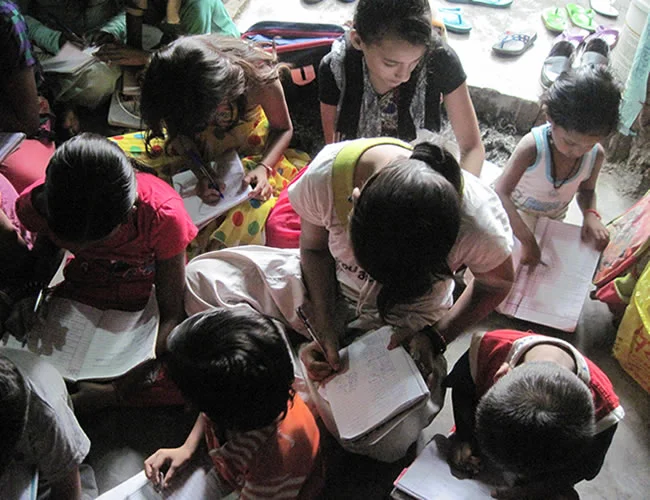
The Om Foundation Charitable Trust began in 2012, in Delhi. Two girls had been told school was not for them.
Our chairperson, Rashmi Malhotra, began teaching them at home. That home classroom became Om Paathshaala.
Chapter 2
Om Paathshaala: a classroom wherever there was room
Classes were held wherever there was room: single rooms, parks, community halls. Children were given school lessons, values, and milk and fruit every day.
“Every girl child should be educated, as she will educate a family.”

Inside the classroom
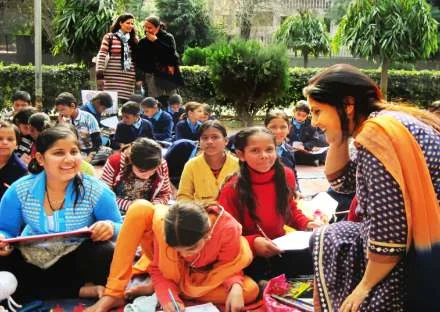
Open-air competitions
Drawing, storytelling and fancy dress on Republic Day, Independence Day and Gandhi Jayanti, with MCD school children invited too.

Gandhi Jayanti, 2016
A painting competition organised by Om Pathshala, Naraina, on 2 October 2016.
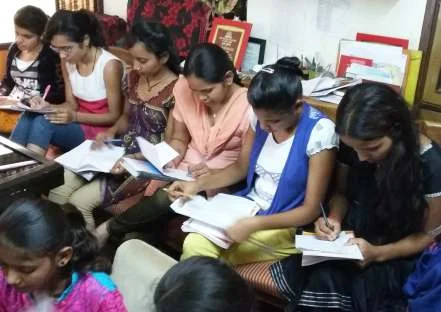
Computer and English
Girls who finish school continue with computer basics, spoken English and personality development.
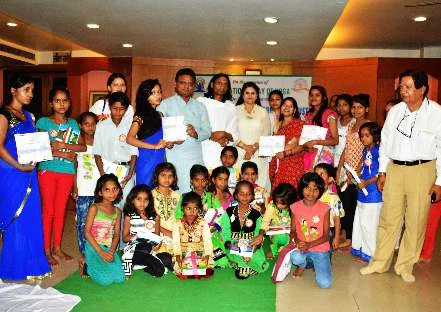
Art of Breathing, 2016
On International Day of Yoga, Yogi Gopal Kishan ji taught breathing. Students received certificates and study material.
Timeline
From the archive: 2012 to 2017
Photos and milestones from our 2012–2016 report and 2017 calendar: from two girls to nearly two hundred.
 2012
Two girls, one desk
The Trust begins with two girls under a project called High Hopes, taught by Rashmi Malhotra herself.
2013Om Pathshala opens
High Hopes becomes Beti Padhao Desh Badhao. By year end, 36 children are studying with us, and seven girls soon clear their 12th boards.
 2014
Durga Shakti
21 September, Triveni Kala Sangam: a seminar on women's strength, safety and security. Our students take the stage. 57 children now enrolled.
 2015
The city as a classroom
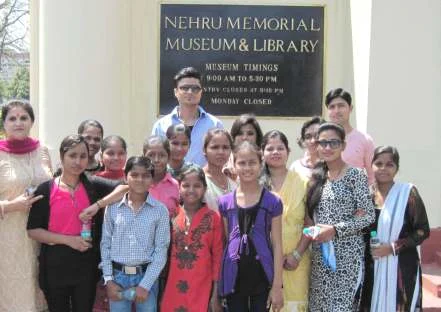
Our first educational tour: Science Museum, Nehru Planetarium, Nehru Museum and the Doll Museum. 110 children, and a first Yoga Day camp.
 2016
198 girls and counting
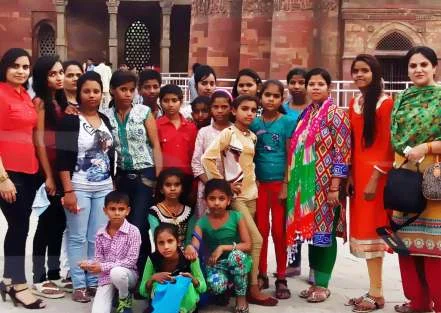
A February trip to Qutub Minar, an Art of Breathing programme for Yoga Day, and a skit prize at Medanta's Halt Diabetes drive.
 2017
Alumni become teachers
Girls who passed out of school return to teach younger students. We celebrate Republic Day at India Gate and Rajpath.
Community
Beyond the classroom
Women's empowerment, health, disaster relief and care for elders. Our classroom kept getting bigger.

Durga Shakti on stage
A celebration of women's inner strength at Triveni Kala Sangam, New Delhi, 2014.
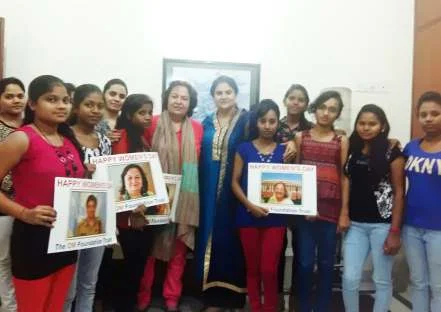
International Women's Day
With Mrs. Pinki Anand, Additional Solicitor General, encouraging girls to study, stay independent and marry later.
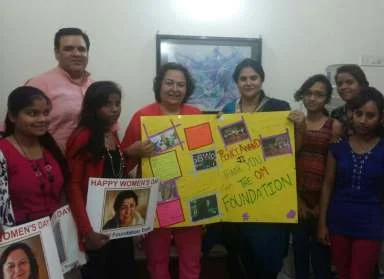
Posters by our girls
Students made their own Women's Day tributes to the women they look up to.

Health leaders
Invited by Medanta, our children joined Dr. Ambrish Mithal's Halt Diabetes skit competition and won second prize.
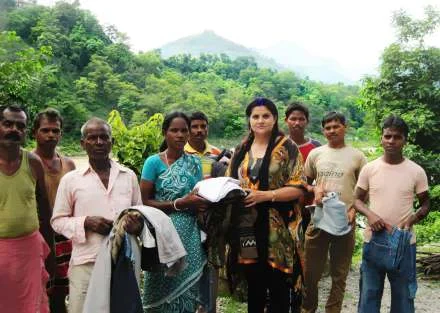
Rudraprayag relief
After the Uttarakhand disaster, members went in person with clothes, food and money so girls could keep studying.
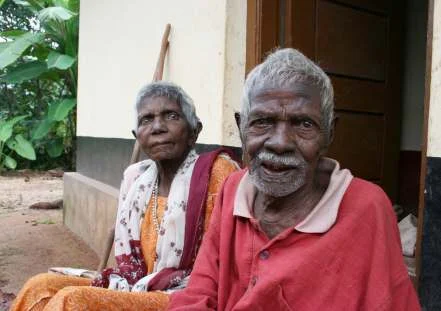
Caring for elders
Medical camps and outreach for senior citizens. Our guiding line: service to people is service to God.
Chapter 3
Fourteen years: the numbers
500+
children taught
60
learning today
7 in 10
alumni graduated and in work

Chapter 4
The next thread: why Dhaaga
“Women don't lack ambition. They lack accessible opportunity.”
In 2026 the Foundation started Dhaaga. Its artisans are the mothers, sisters and neighbours of Om Paathshaala children. Skill training leads straight into paid work, making handcrafted textiles to a commercial standard.
Every thread creates an opportunity.
Chapter 5
Meet the artisans
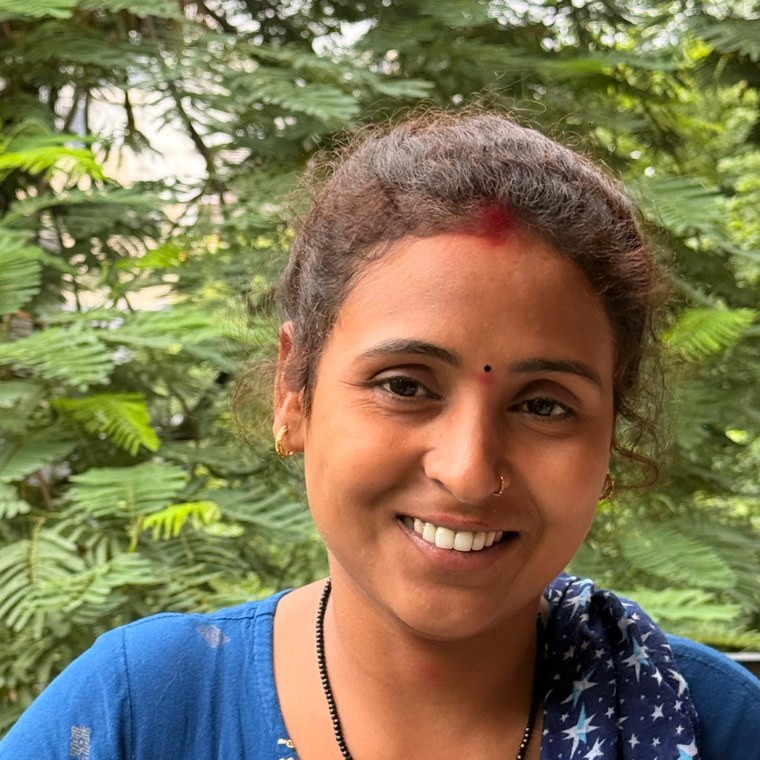 Founding artisan
The women of Dhaaga
Luxmi
“Sometimes, all we need is someone who believes we can begin again.”
My name is Luxmi. I had learned tailoring before my marriage, but over the years I lost touch with it as I faced domestic violence and difficult circumstances. Eventually, I returned to my mother's home with my two young sons. I was battling depression, dependent on medicines, and relying entirely on my parents for support.
My sister Jyoti, who studied at Om Pathshaala, introduced me to Rashmi Ma'am. Through The Om Foundation, I joined Dhaaga, where I was retrained as an artisan and learned to create products with confidence and efficiency.
Today, I make cushion covers, tote bags and zip pouches. I earn a dignified livelihood, support my children, and have found the courage to rebuild my life. I will always be thankful for this opportunity.
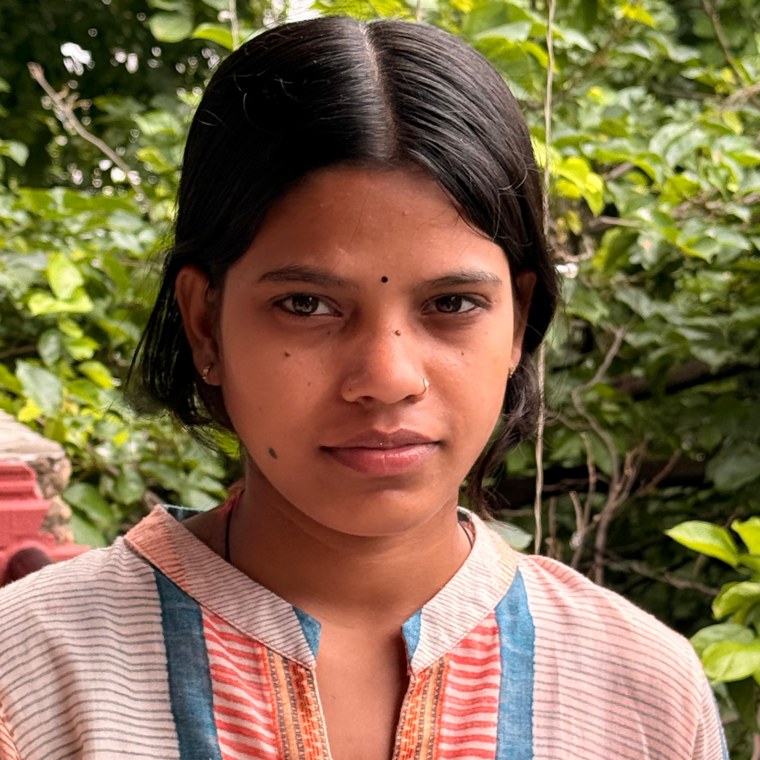 Founding artisan
The women of Dhaaga
Palak
“Someone believed in me before I had the chance to believe in myself.”
My name is Palak, and I live in Rajiv Gandhi Camp, Naraina Vihar. I studied at Om Pathshaala and completed my Class 12 with the support of The Om Foundation Charitable Trust. I wanted to continue my education, but my father and brothers did not allow me to study further because, in our family, girls were not encouraged to pursue higher education.
Seeing my disappointment, Rashmi Ma'am encouraged me to learn tailoring through The Om Foundation's skill development programme. After completing the course, I wanted to start working, but I couldn't even afford a sewing machine.
That was when Dhaaga became my opportunity. Today, I work as one of its founding artisans, earning with dignity, learning every day, and growing in confidence. I genuinely look forward to coming to work each morning and feel proud to be building a future through my own skills.
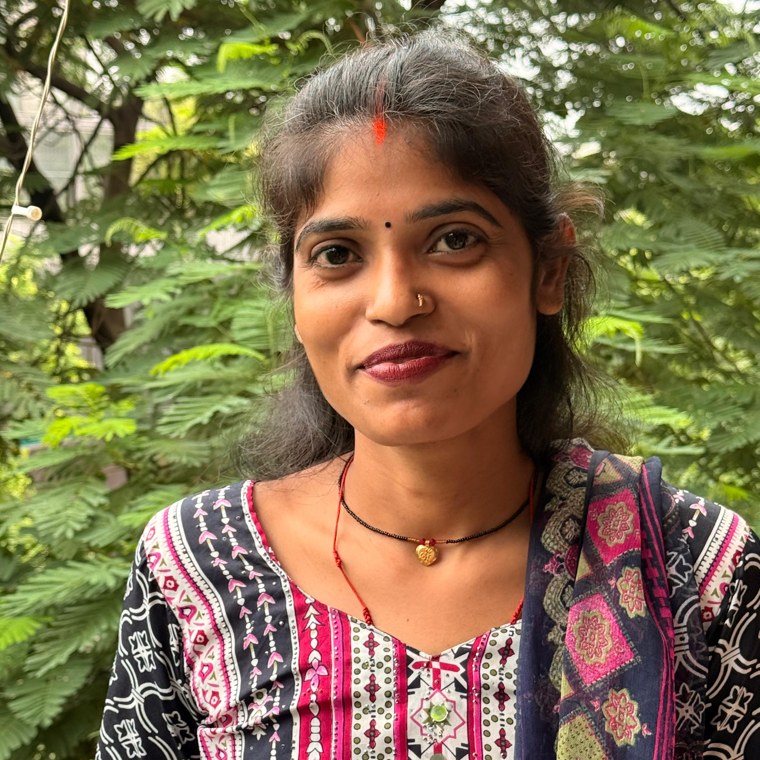 Founding artisan
The women of Dhaaga
Nisha
“Every stitch I make today reminds me that I am stronger than I ever believed.”
My name is Nisha. I live in Rajiv Gandhi Camp, Naraina Vihar, with my two young sons. I knew basic tailoring and stitched clothes from home, but it was never enough to support my family. My husband struggled with alcoholism, often became violent, and never contributed towards our children's upbringing. There were days when I felt completely broken and wanted to leave everything behind.
One day, Poonam Ma'am from Om Pathshaala introduced me to Rashmi Ma'am. I still remember crying as I shared everything with her. She listened patiently, hugged me, asked me to stay strong, and encouraged me to join Dhaaga.
Today, the products I make help me earn with dignity and support my children. More than an income, Dhaaga gave me the confidence to believe in myself again. For that, I will always be grateful.
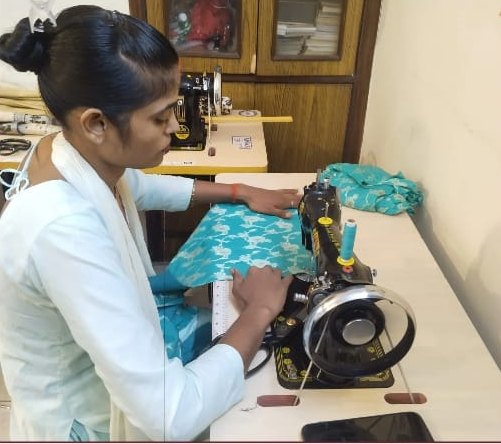
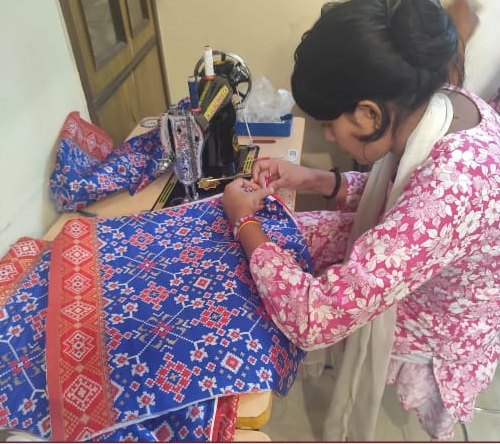
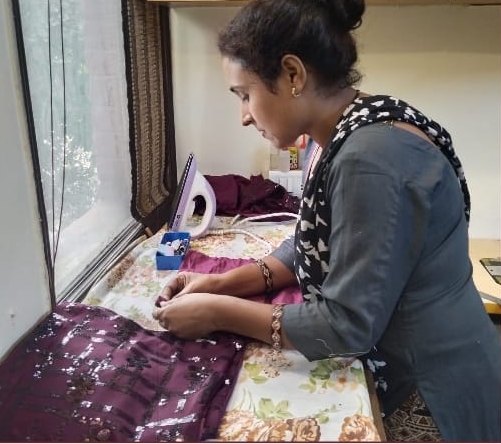
Inside the workshop
Where it's made
Real hands, real machines, real work — every piece is made by women in the Dhaaga workshop.
What your purchase set in motion
One purchase, a whole thread.
- 1
A skill that lasts.
Women are trained in tailoring and textile craft in a safe, community-rooted space.
- 2
Paid, structured work.
No unpaid internship, no gap — training leads directly into a fair wage.
- 3
Household income.
Stable earnings reduce dependence and let women plan for their own futures.
- 4
The next woman.
Revenue funds materials, salaries, and the next cohort of artisans.
0
women in paid work
100%
paid, not unpaid
0
fabric wasted
What makes Dhaaga, Dhaaga
Three things in every piece.
One of a Kind
No two pieces are ever quite the same — each is handmade, with its own character.
Thoughtfully Reimagined
Textiles are given a second life — reimagined into something considered and new.
Crafted with Dignity
Made by women earning a fair wage, in a safe space, on their own terms.
The journey
Six months from seed to scale.
Mar
Seed funding
The Om Foundation commits seed funding and appoints a programme lead.
May
First pay
First materials bought. First artisans paid on 27 May.
Jun
The workshop takes shape
Sewing machines, tools, Jaipur block prints, brand labels.
Jul
First sale
Our first piece sells on 4 July.
Aug
Into the market
First exhibition at Dilli Haat, INA.
Sep
Built for scale
Live online inventory. Permanent workshop cabin. Production ramped up.
Oct
The festive season
Festive fairs and corporate sales through the season.
“Women don't lack ambition. They lack accessible opportunity.”
Our commitments
More women in the workshop
New artisans trained alongside Luxmi, Nisha and Palak as demand grows.
Reporting as we go
A short monthly update on production, impact and artisan earnings.
Every piece traceable
From maker to buyer — every rupee, every piece, every hour logged.
A detailed utilisation statement is available to partners on request. Ask us